
24Nov

Europe Is Facing a Nursing Shortage

Why Europe Is Facing a Nursing Shortage

Europe is currently experiencing one of the most significant healthcare workforce gaps in modern history — and nurses are at the center of this crisis. From public hospitals and private clinics to long-term care homes and rehabilitation centers, the growing demand for qualified nurses has outpaced the available workforce across the EU.
Understanding why Europe is facing a nursing shortage helps explain the rise of international recruitment and the urgent need for global healthcare talent.


1. Ageing Population Across Europe

One of the major reasons behind the nursing shortage is Europe’s rapidly ageing population. Many EU countries — including Germany, Italy, Finland, and the Netherlands — have more elderly citizens than ever before.

  • People are living longer

  • Chronic illnesses require continuous care

  • Elderly residents need support in hospitals, assisted-living homes, and community-care centers

As the ageing population increases, the demand for nurses rises sharply each year.


2. Retirement of Existing Nursing Workforce

A large portion of Europe’s current nurses are nearing retirement age.
In many EU nations:

  • 30–40% of registered nurses will retire in the next 5–10 years

  • Younger generations are not entering nursing professions fast enough

This generational shift is widening the gap, leaving hospitals understaffed and unable to meet patient-care demands.


3. High Workload & Burnout

Nursing is a demanding profession — especially in countries where staffing levels are already low. The COVID-19 pandemic placed enormous pressure on the healthcare system, leading to:

  • Emotional burnout

  • Increased workloads

  • Overtime exhaustion

  • Stress-related resignations

Many nurses have either reduced their working hours or left the profession altogether, creating thousands of new vacancies.


4. Limited Local Training & Education Capacity

While Europe has strong medical universities and nursing institutes, they cannot produce enough graduates to meet rising demand.

Key challenges include:

  • Limited seats in nursing programs

  • Long training periods (3–4 years)

  • Low enrollment interest among domestic students

  • Strict licensing and qualification frameworks

The number of new graduates each year is far below the number of retiring or resigning nurses.


5. Expansion of Healthcare Infrastructure

Europe’s healthcare systems are expanding faster than ever:

  • New hospitals

  • Specialized treatment centers

  • Elderly-care homes

  • Mental health facilities

  • Rehabilitation and therapy centers

With more facilities comes the need for more staff — especially nurses who are essential to all levels of patient care.


6. Increased Demand After the Pandemic

The pandemic created long-term effects on healthcare demand:

  • Delayed treatments and surgeries require catch-up staffing

  • Chronic health issues rose after COVID-19

  • Public health programs expanded

Nurses are needed across emergency care, community care, vaccination programs, and elderly-care facilities.


7. Migration of Local Nurses to Better-Paying Countries

Many EU nurses migrate to countries offering higher salaries such as:

  • Switzerland

  • Norway

  • UK

  • Germany

  • UAE and GCC countries

This movement leaves behind critical gaps in their home countries, increasing reliance on international recruitment.


8. Government Policies Supporting International Recruitment

Due to the shortage, many European governments have introduced:

  • International recruitment programs

  • Fast-track visa pathways for healthcare workers

  • Recognition of foreign qualifications

  • Employer-led sponsorship options

These policies are encouraging hospitals to hire nurses from Asia, Africa, the Middle East, and Eastern Europe.


Conclusion: A Long-Term Global Opportunity

The European nursing shortage is not temporary — it’s a long-term structural challenge driven by demographics, workforce trends, and healthcare system expansion.
This is why Europe continues to actively recruit:

  • Registered Nurses

  • Assistant Nurses

  • Healthcare Assistants (HCAs)

  • Aged-care professionals

For qualified international healthcare workers, Europe offers strong career stability, legal work visas, competitive salaries, and pathways to long-term residency depending on the country.

24Nov

Australia Aged-Care & HCA Jobs Opening – Apply Now

Australia Aged-Care & HCA Jobs Opening is one of the most in-demand opportunities for overseas candidates in 2025. With a rapidly ageing population and a critical shortage of trained care workers, Australia is urgently hiring international Aged-Care Workers and Healthcare Assistants (HCAs) for immediate placements across residential care homes, disability-care centres, private facilities, and community-care programs. If you want a stable healthcare career with high earnings, a safe workplace, and long-term growth opportunities — this is the perfect time to apply.


Why This Opportunity Exists

Australia’s healthcare and support sectors are expanding faster than the local workforce can meet. Several government reports highlight major staff shortages in:

  • Elderly-care homes

  • Disability support services

  • Home-care programs

  • Community-care and outreach services

With thousands of vacancies opening every year, Australian employers are actively recruiting skilled and semi-skilled international workers to fill urgent staffing gaps.


Who Can Apply for Aged-Care & HCA Jobs?

Australia welcomes a wide range of candidates depending on skills and experience:

1. Experienced Aged-Care Workers

Applicants with experience in:

  • Elderly care

  • Home-care assistance

  • Disability support

  • Dementia care

  • Community service

are given priority, especially if they have worked in hospitals, nursing homes, or private care settings.

2. Healthcare Assistants (HCAs)

HCAs play a direct support role in hospitals and care facilities. Individuals with basic patient-care experience or caregiving training are preferred.

3. Nursing Background Candidates

BSc Nursing, GNM, and ANM candidates have additional advantages, including:

  • Higher-level roles

  • Better pay

  • Skill-assessment pathways

4. Beginners or Freshers

Some facilities accept entry-level candidates who are willing to undergo training such as:

  • Certificate III in Individual Support

  • Aged-Care short courses

  • CPR & First Aid training


Benefits of Australia Aged-Care & HCA Jobs Opening

This opportunity offers a wide range of benefits, including:

  • High Salaries: Average AUD 23–28 per hour

  • Long-Term Employment: Full-time roles with strong job security

  • Safe Working Environment: Strong workplace laws and employee protections

  • Career Growth: Pathways into advanced care roles and nursing

  • Training Support: Many employers assist with certifications

  • Work-Life Balance: Regulated shifts & structured schedules

  • Residency Potential: Selected roles offer sponsorship pathways

Australia is known worldwide for offering one of the best care-sector environments for foreign workers.


Job Responsibilities

Aged-Care and HCA roles typically include:

  • Assisting elderly patients with daily routines

  • Helping with meals, mobility, and personal care

  • Providing emotional and social support

  • Maintaining hygiene and safety

  • Monitoring patient comfort and behaviour

  • Supporting registered nurses and supervisors

  • Recording basic observations

These roles directly improve the quality of life for residents and patients.


Eligibility Requirements

Most employers require:

  • Valid passport

  • Good English communication skills

  • Updated CV with photo

  • Police Clearance Certificate

  • Basic experience or willingness to train

Additional requirements for some positions include:

  • Certificate III in Individual Support

  • Aged-care training certificate

  • CPR/First Aid certificate

  • IELTS/PTE results (for specific visa categories)


Documents Needed

Prepare the following documents for a smooth application:

  • Passport copy

  • CV and cover letter

  • Experience certificates

  • Training certificates

  • Medical fitness report

  • PCC / background check

  • Reference letters


Why You Should Apply Now

The demand for skilled Aged-Care and HCA workers is rising across Australia, and early applicants receive priority in:

  • Screening

  • Interview invitations

  • Employer selection

  • Deployment timelines

Thousands of roles are currently open across Sydney, Melbourne, Perth, Adelaide, Brisbane, and regional locations.


How to Apply

You can begin in three simple steps:

  1. Submit your CV for assessment

  2. Attend a basic screening or interview

  3. Proceed with documents, training, and visa formalities

With strong demand and excellent career benefits, Australia Aged-Care & HCA Jobs Opening is one of the top international job pathways of 2025.

24Nov

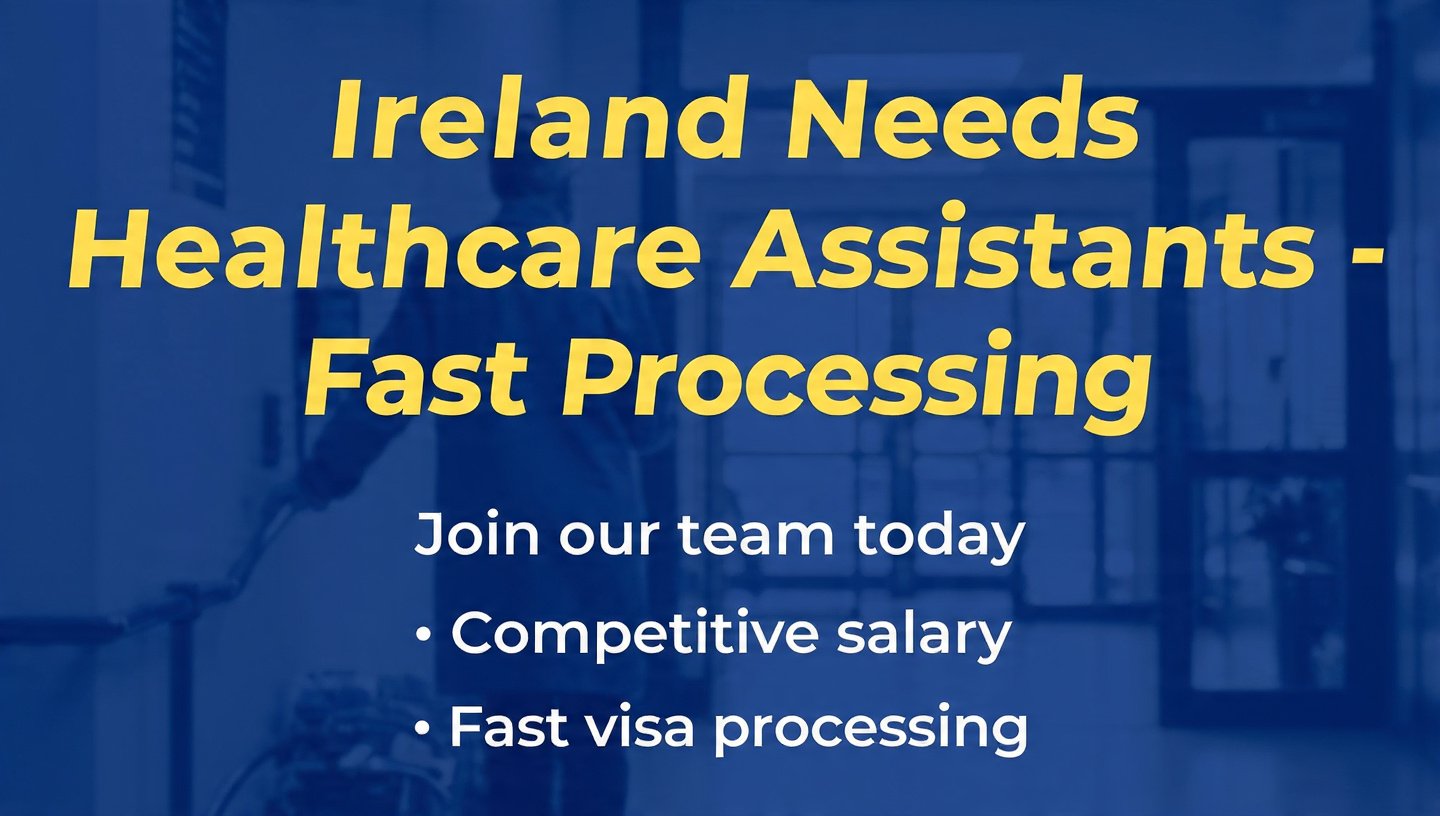
Ireland Needs Healthcare Assistants – Fast Processing

Ireland is experiencing a nationwide shortage of Healthcare Assistants (HCAs), and hospitals, nursing homes, and elderly-care facilities are urgently hiring international staff to fill the gap. With fast processing, high demand, and clear pathways to long-term employment, this is one of the best opportunities for candidates looking to build a healthcare career abroad.


Why Ireland Is Hiring HCAs in 2025

Ireland’s healthcare system is expanding rapidly, and the need for qualified support workers has never been higher. Key reasons behind the massive recruitment drive include:

  • Growing elderly population

  • Increased demand for home-care and aged-care services

  • Shortage of local support staff

  • Government-approved international hiring programs

  • Expansion of hospitals and private care facilities

This makes Ireland a top destination for those who want a stable, legal, and respected healthcare role.


Who Can Apply for Healthcare Assistant Jobs?

Ireland welcomes applicants with both healthcare and non-healthcare backgrounds, as long as they meet basic requirements.

1. Experienced Healthcare Assistants

  • Prior HCA or caregiving experience

  • Understanding of patient care, mobility assistance, and safety protocols

2. Nursing Background (Optional Advantage)

  • ANM/GNM candidates

  • Candidates with hospital or clinic experience

  • Nursing students or caregivers who have practical exposure

3. Beginners & Freshers

Some facilities accept candidates with no prior healthcare experience, as long as they:

  • Have good communication skills

  • Are willing to undergo training

  • Can work in shifts and follow routines


Benefits of Working as an HCA in Ireland

Choosing Ireland gives you strong professional and personal advantages, including:

  • Fast processing time for eligible candidates

  • Legal work visa with full employment rights

  • Competitive salary + overtime

  • Safe & supportive workplace environment

  • Training and career development

  • Long-term contracts (2–5 years depending on employer)

  • Pathways for future healthcare qualifications

  • Potential routes to residency (individual case dependent)

Ireland offers one of the best structured healthcare environments in Europe — ideal for support workers looking to grow.


What Does an HCA Do?

Healthcare Assistants in Ireland provide essential support to nurses, doctors, and care teams. Their duties include:

  • Assisting elderly and disabled patients

  • Helping with daily activities (bathing, dressing, meals)

  • Supporting mobility and safety

  • Monitoring patient comfort

  • Recording basic observations

  • Providing emotional support

  • Maintaining hygiene & cleanliness

This role is perfect for individuals who genuinely enjoy caring for people and making a positive impact.


Requirements to Apply

While requirements may vary slightly by employer, the general criteria include:

  • Valid passport

  • Good English communication

  • Police clearance

  • Updated CV

  • Educational certificate (minimum high school)

  • Experience certificate (if applicable)

  • Healthcare or caregiving certificate (optional but beneficial)

Some positions may require IELTS/OET or short training courses, depending on the employer.


Documents Usually Requested

  • Passport (minimum 2-year validity)

  • CV with photo

  • Experience letters

  • Medical fitness certificate

  • PCC (Police Clearance Certificate)

  • Reference letters

  • Basic training certificates (if any)


Why Apply Now?

The demand for HCAs in Ireland is higher than ever, and employers are processing applications quickly to fill urgent vacancies. Early applicants receive:

  • Faster interview scheduling

  • Priority in employer selection

  • Faster deployment timelines

This is your chance to secure a stable healthcare career in a country known for its safety, education, and excellent living standards.


How to Start Your Application

You can begin the process in three simple steps:

  1. Submit your CV for eligibility screening

  2. Attend a short interview or assessment

  3. Proceed with visa and employer documentation

With fast processing and high demand, Ireland remains one of the most attractive destinations for healthcare assistants in 2025.

24Nov

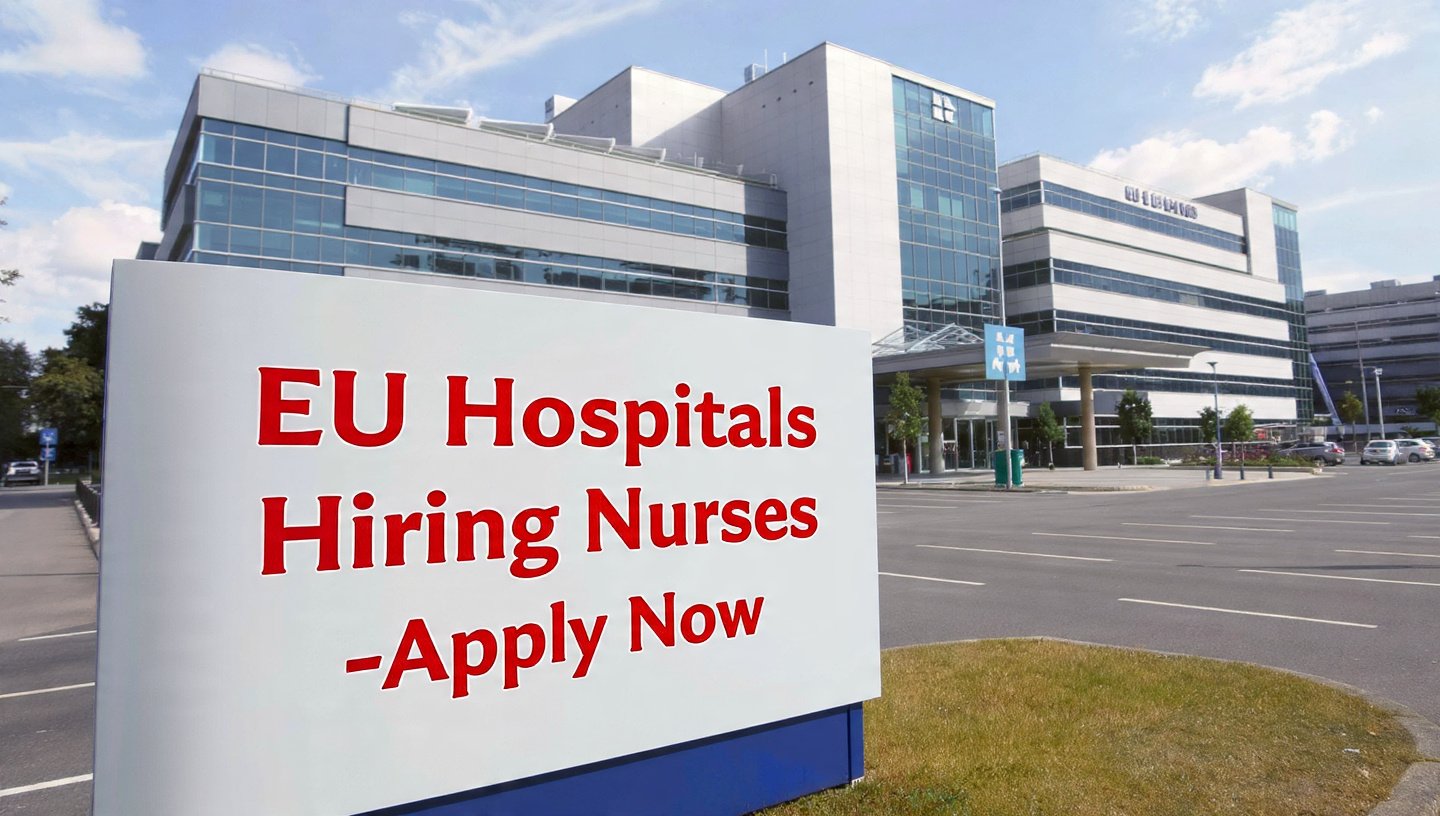
EU Hospitals Hiring Nurses – Apply Now

Europe is facing a significant shortage of qualified healthcare professionals — and hospitals across the EU are urgently hiring Registered Nurses, Assistant Nurses, and Healthcare Assistants (HCA) for immediate placement.
If you’re a nurse looking for a stable career, excellent salary, and a secure future abroad, this is the right time to apply.

Why Europe Is Hiring International Nurses

Across countries like Ireland, Netherlands, Czech Republic, Germany, Finland, and Malta, the demand for skilled nurses continues to rise due to:

  • Ageing population and increased patient-care needs

  • Expansion of public and private healthcare facilities

  • Shortage of local healthcare workers

  • Government-approved international recruitment programs

This shortage has opened doors for qualified nurses from Asia, GCC, Africa, and other regions — offering them a long-term, respected healthcare career in the EU.


Who Can Apply?

EU hospitals welcome applicants with different skill sets:

1. Registered Nurses (RN)

  • Degree or Diploma in Nursing

  • Minimum 1 year of experience

  • Good patient-care and clinical skills

  • English proficiency (IELTS/OET may be required depending on country)

2. Assistant Nurses / Enrolled Nurses

  • Diploma or equivalent

  • Experience in general care, ward support, or aged care

  • Ability to assist senior nurses and follow protocols

3. Healthcare Assistants (HCA) / Caregivers

  • No major experience required in some countries

  • Willingness to work in hospitals, clinics, and elderly care homes

  • Good communication and patient-handling skills


Benefits of Working in EU Hospitals

Choosing Europe for your healthcare career gives you strong long-term rewards:

  • Legal Work Visa & Employment Contract

  • High Salary Packages + Allowances

  • Safe Work Environment and EU Labor Rights

  • Career Progression & Further Education Opportunities

  • Long-Term Residency Pathways (Country-Dependent)

  • Work-Life Balance with Regulated Shifts

  • Family-Friendly Immigration Policies (in selected countries)

With increasing demand, the EU is one of the best destinations for nurses seeking international employment.

Hiring Countries (2025 Intake)

🇮🇪 Ireland

  • Registered Nurses

  • Assistant Nurses

  • Healthcare Assistants

🇳🇱 Netherlands

  • Registered Nurses

  • ICU/ER Nurses

  • Support Workers

  • Elderly Care Assistants

🇨🇿 Czech Republic

  • Hospital Cleaners

  • Support Nurses

  • General Ward Staff

🇫🇮 Finland

  • Aged Care Nurses

  • Ward Nurses

  • HCAs

🇲🇹 Malta

  • General Nurses

  • Clinic Assistants

Each country has its own documentation, qualification requirements, and processing timelines — but all offer secure work environments and long-term stability.


Documents Generally Required

  • Valid Passport

  • Nursing Degree / Diploma

  • Professional License (if applicable)

  • Experience Certificates

  • Updated CV

  • Passport-size Photo

  • Police Clearance (country-dependent)

  • IELTS/OET (for specific countries like Ireland)


How to Apply

You can begin your application in three simple steps:

  1. Submit Your CV
    Send your updated nursing CV, qualifications, and experience details.

  2. Screening Call & Eligibility Check
    You’ll receive guidance on country options, salary, requirements, and timelines.

  3. Official Application & Visa Processing
    After matching you with a hospital, your recruitment and visa process begins.

Early applicants get priority selection, as hospitals are hiring in batches.


Final Thoughts

Europe offers one of the safest, most rewarding, and future-secure pathways for nurses wanting global exposure. Whether you’re a fresh nurse or an experienced professional, the opportunities in EU healthcare are expanding — and this is the ideal time to take the next step.

If you’re ready to accelerate your career, apply now and secure your spot in the 2025 recruitment cycle.